
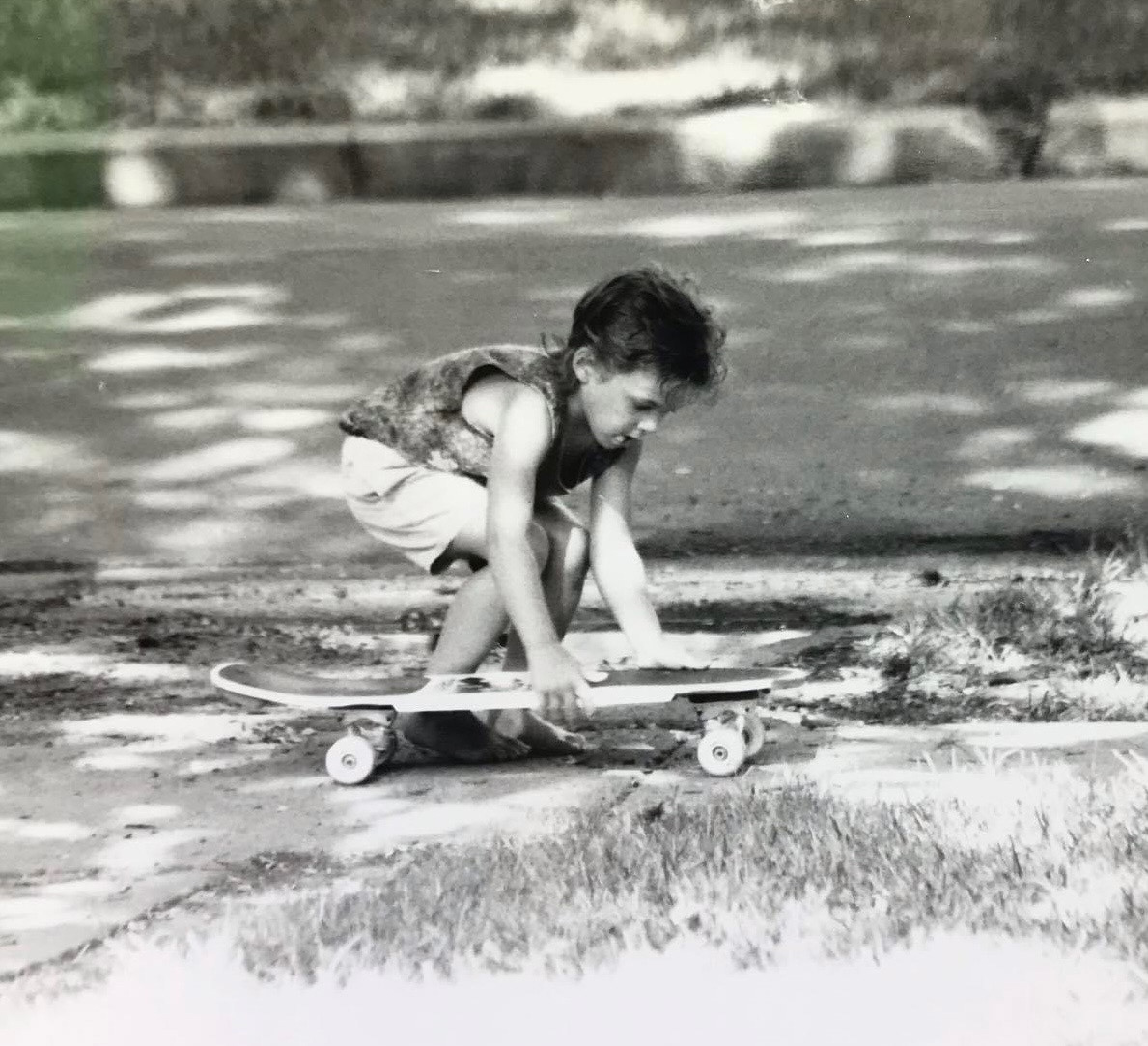
I grew up skateboarding, and it shaped the way I see everything.
It taught me to look at the world as a canvas, to find possibility in overlooked spaces, and to understand failure as part of the process. You fall, adjust, try again, refine the details, and keep going until the movement feels effortless.
That philosophy became the foundation of my creative work. As an editor, motion designer, and live-experience producer, I approach every project through rhythm, energy, timing, and emotional response. I care about the buildup before the hit, the breath between big moments, and the details that make a piece feel alive.
Today, my work is built around creating moments that move people in real time: content that connects sport, culture, music, motion, and crowd energy into something you can feel in the room.
Creative Philosophy
Skateboarding taught me how to see.
Before filmmaking, editing, motion graphics, or live sports entertainment, there was skateboarding.
Skating changed the way I looked at the world. A curb became a launch point. A stair set became a challenge. A ledge, a crack in the concrete, a handrail, an empty parking lot... all of it became potential. It taught me to look at ordinary spaces and see movement, rhythm, risk, and possibility.
That perspective still drives how I approach creative work today.
I don’t just look at a screen, an arena, a piece of footage, or a brand moment for what it is. I look for what it could become.
Failure is part of the process.
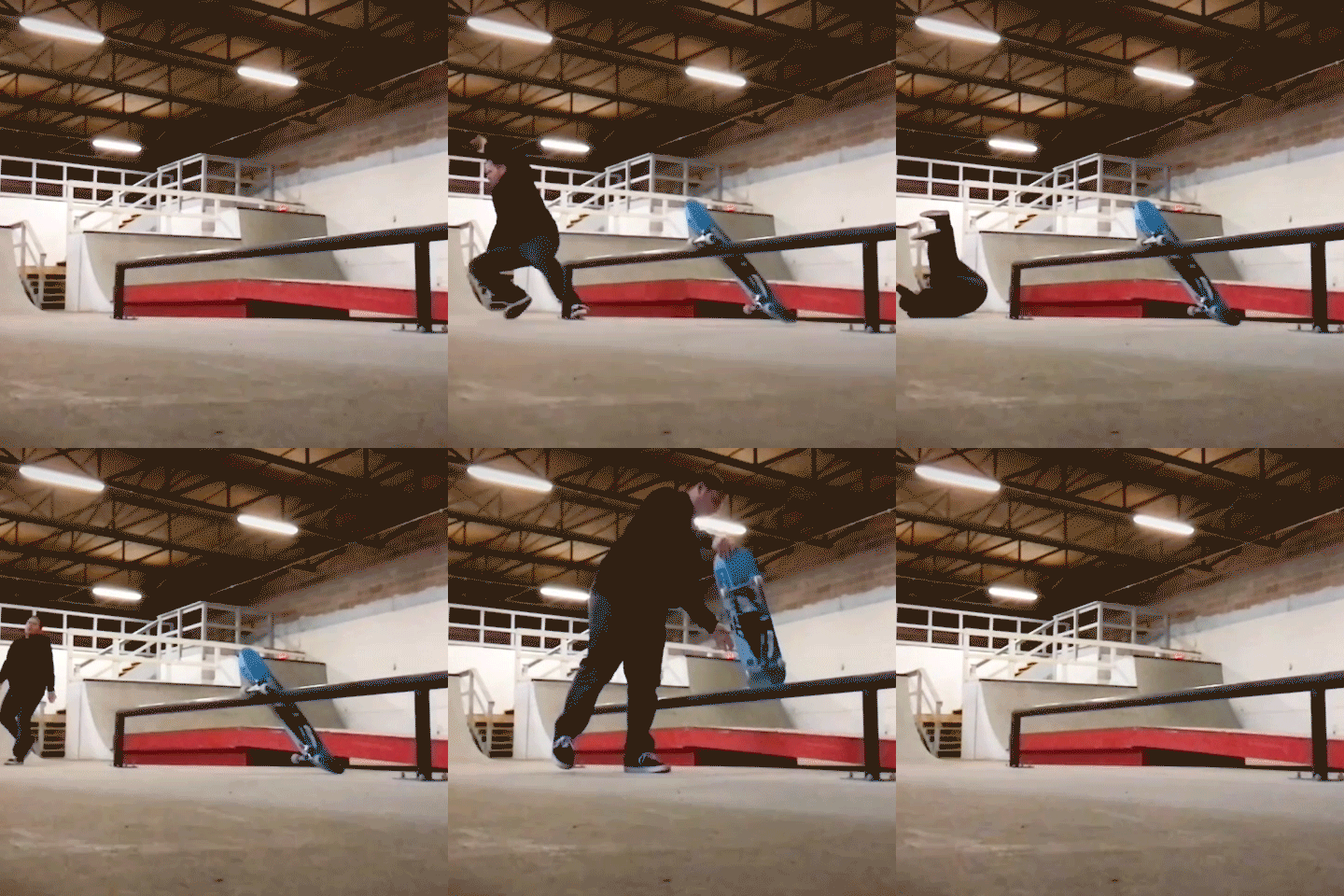
Skateboarding teaches failure immediately. You do not land the trick the first time. You fall, adjust, try again, fall again, and slowly understand what needs to change.
That shaped how I approach everything creative.
A rough cut is not a failure. A concept that does not fully land is not the end. A crowd that does not react the way you expected is not a disaster. It is feedback. It tells you where to adjust: the timing, the rhythm, the energy, the execution.
I believe in failing forward: taking the attempt seriously, learning from it honestly, and using every miss to get closer.
Progress matters more than perfection.
The goal is not to arrive at some final version of yourself where everything is mastered forever. Skating does not work that way. Creativity does not either.
You keep showing up. You keep practicing the fundamentals. You keep trying things that make you uncomfortable. You keep refining what you already know. You keep pushing the work a little further than last time.
Progress is the real measure.
Not perfection. Not ego. Not playing it safe.
Just steady growth, sharper instincts, better rhythm, stronger taste, and more confidence with every attempt.
Style is what makes execution memorable.
There is a difference between landing the trick and making it look effortless.
That idea has always stayed with me.
In creative work, it is not enough for something to technically work. It has to have feel. It has to have rhythm. It has to have taste. It has to create a reaction. The details matter: the timing of a cut, the breath before a big moment, the way music builds, the way motion moves through a frame, the way a piece of content fits the room it was made for.
Execution gets the job done.
Style makes people remember it.
Rhythm creates emotion.
My creative instincts were shaped by skate videos, basketball, music, and live crowds.
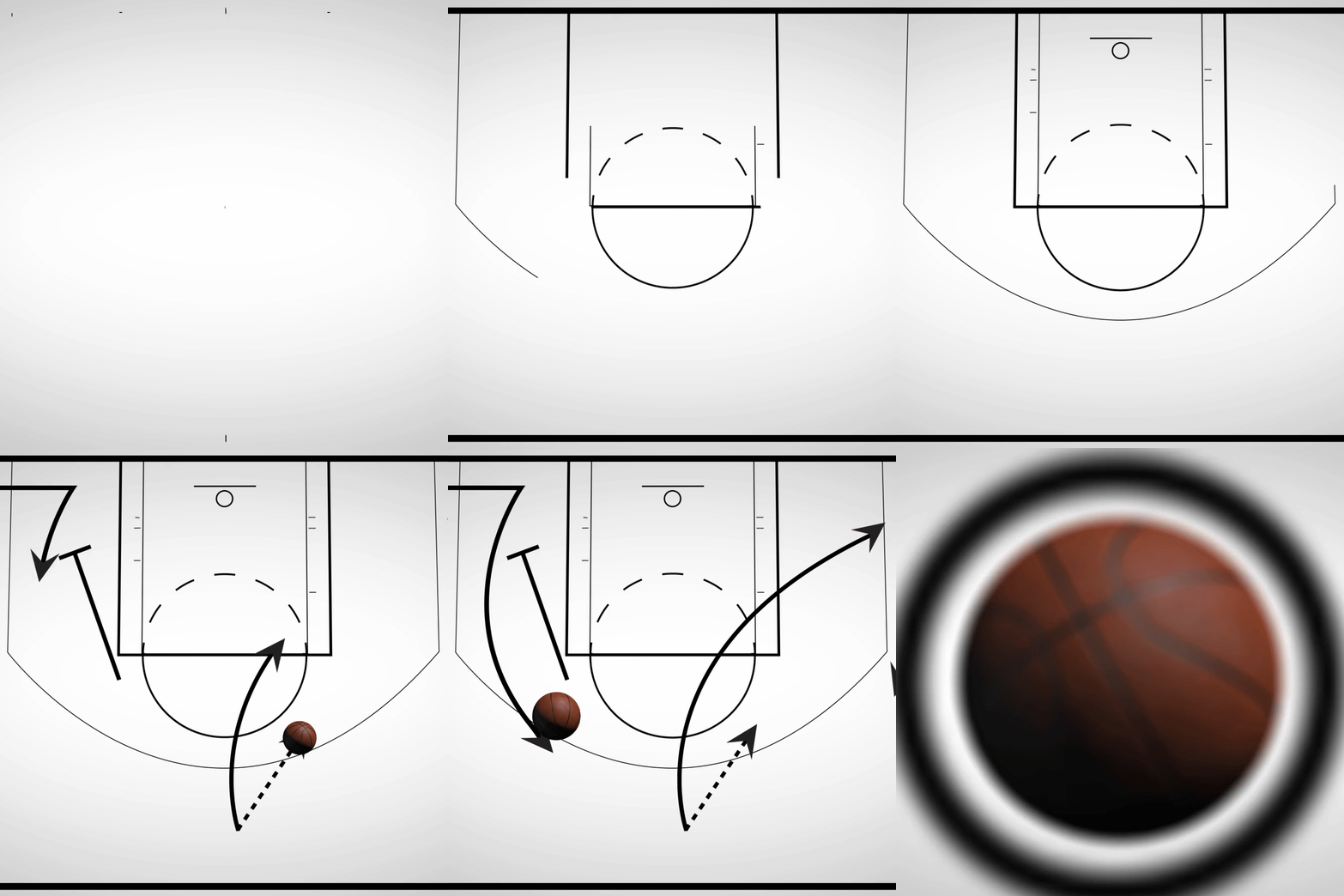
A great edit is not just a sequence of big moments. It needs contrast. It needs breath. It needs buildup and release. You cannot just stack dunk after dunk, trick after trick, highlight after highlight. The emotional response comes from the rhythm around the impact.
The setup matters.
The reaction matters.
The silence before the hit matters.
The human moment after the big play matters.
The reaction matters.
The silence before the hit matters.
The human moment after the big play matters.
That is where energy becomes story
The room is part of the work.
In live sports entertainment, the work does not simply play on a screen. It enters a room full of people and either moves them or it does not.
That has shaped how I think about production. The content has to serve the moment. It has to understand the crowd, the players, the timing of the game, the emotion in the building, and the energy you are trying to create.
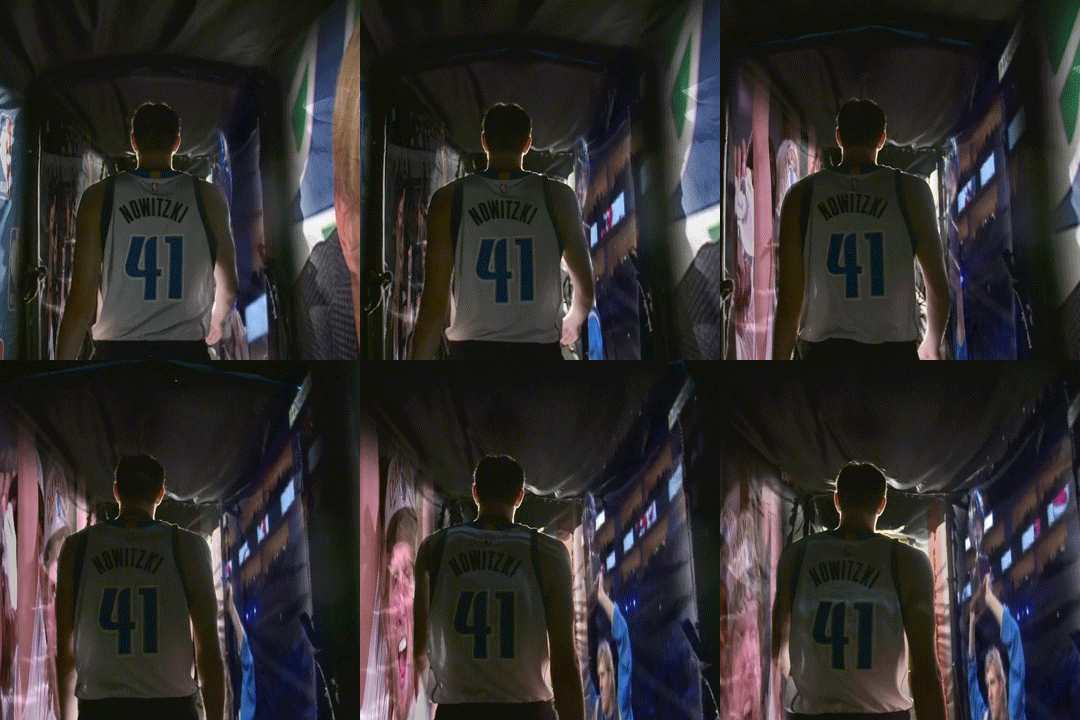
A hype video is not just a video.
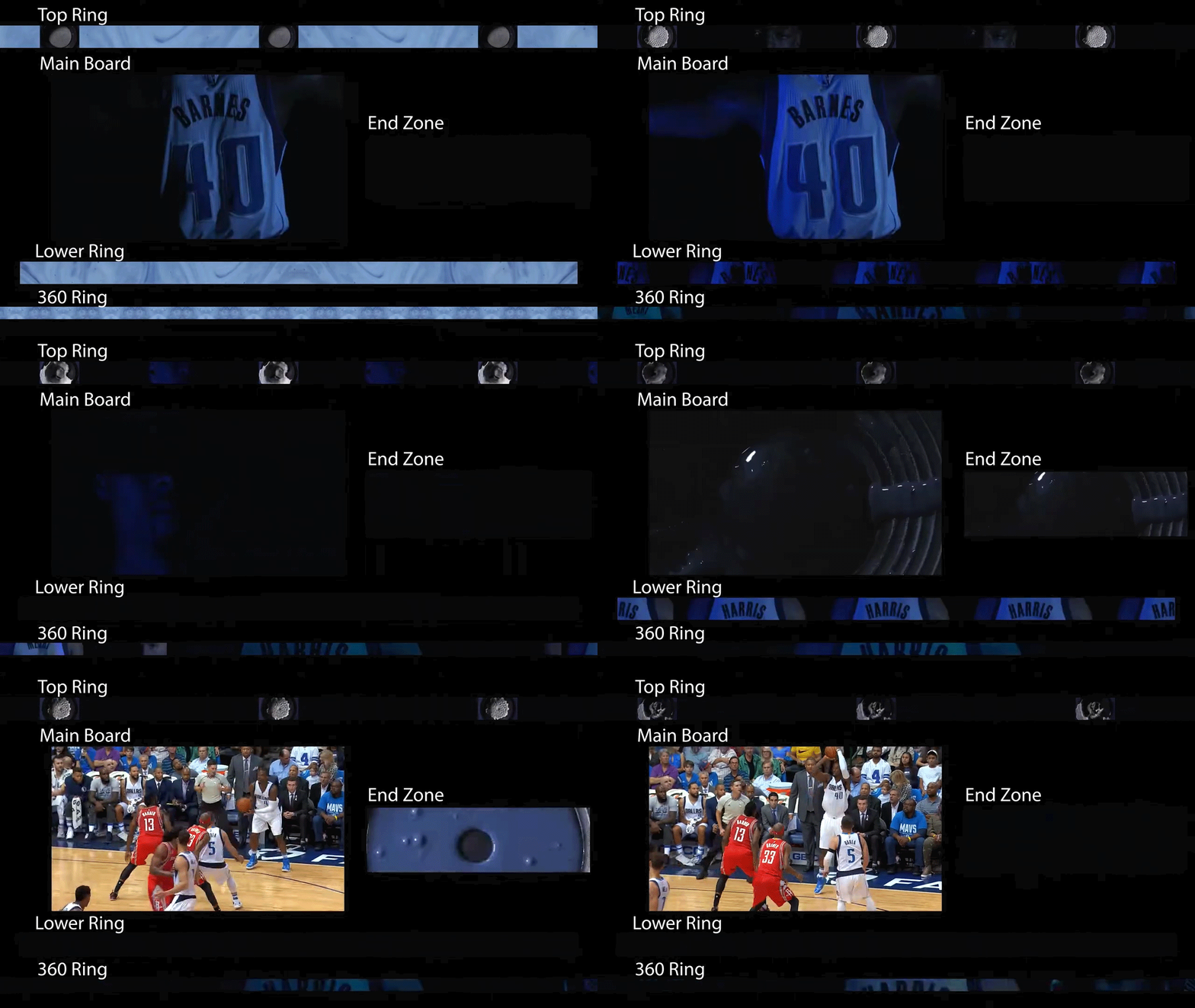
An LED takeover is not just a graphic.
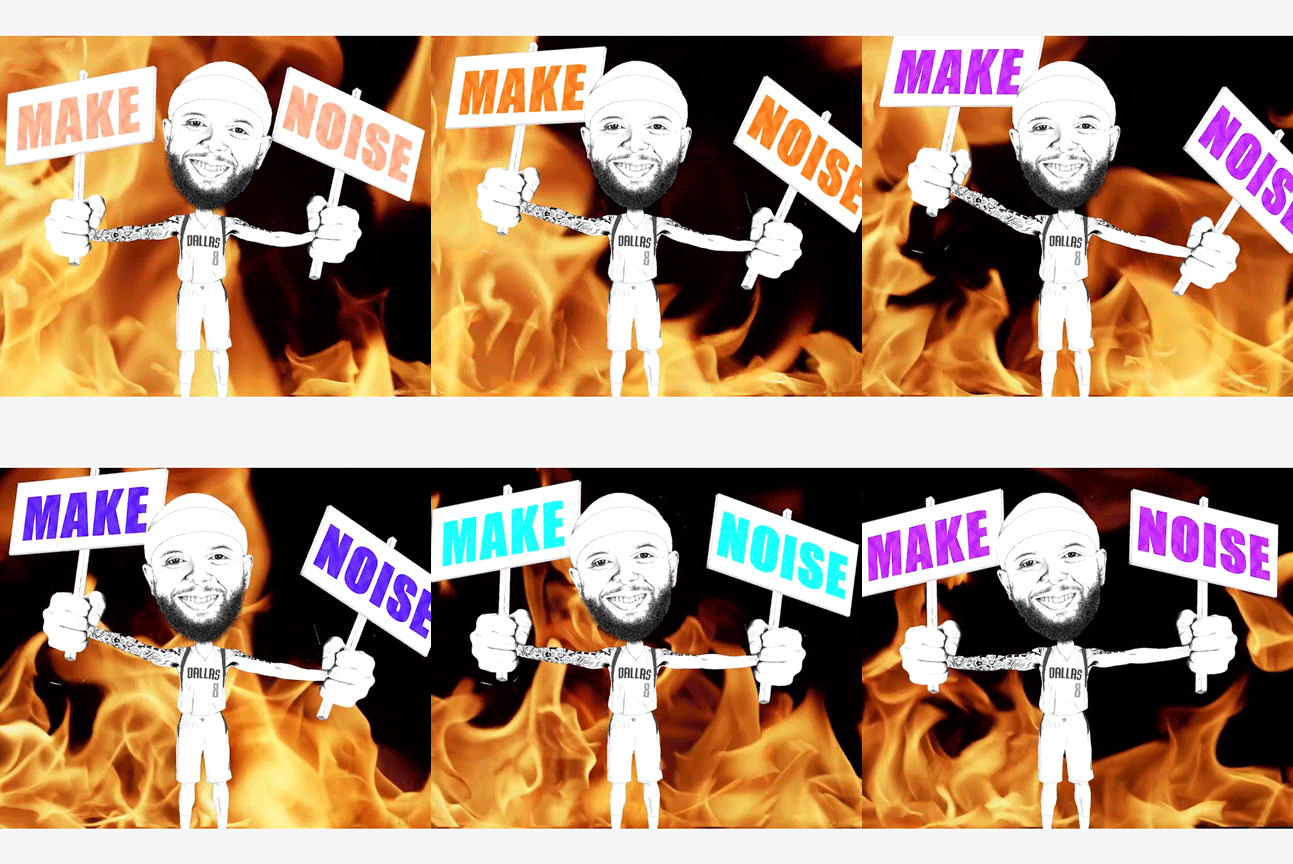
A noise prompt is not just an animation.
An LED takeover is not just a graphic.
A noise prompt is not just an animation.
Each piece is part of a larger emotional system.
The arena is an instrument.
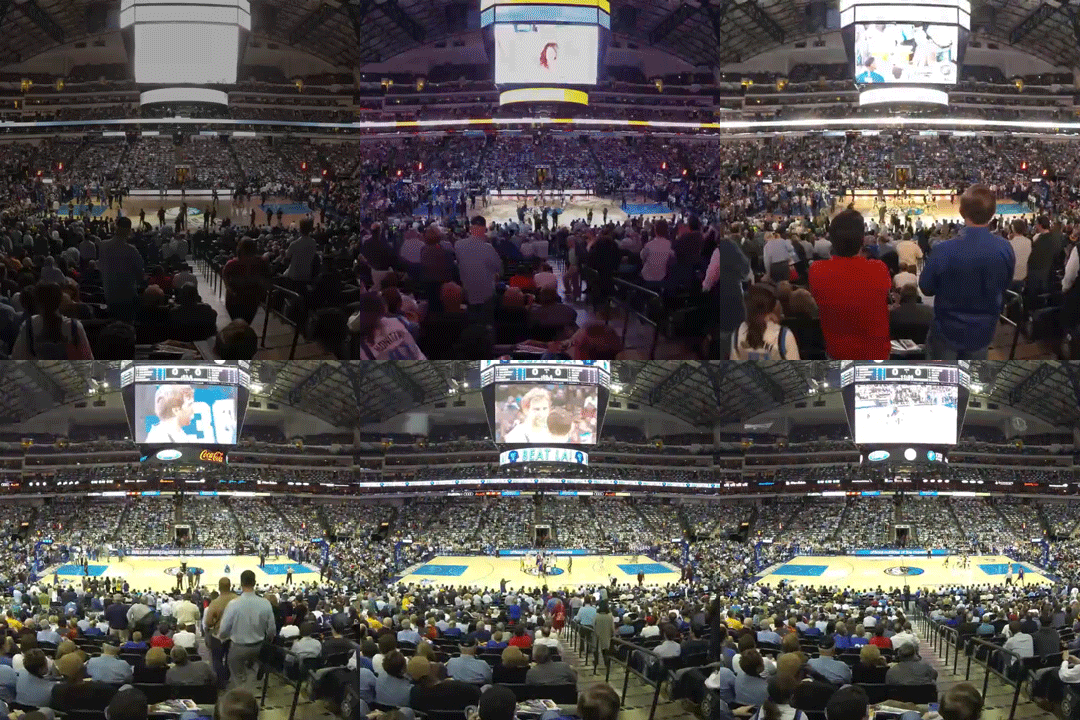
One of the things I love most about in-game production is that the entire building becomes part of the creative canvas.
The center-hung board, LED ribbons, corner boards, sound, lights, pyro, crowd prompts, timing, and even peripheral vision all work together. The best moments happen when those pieces feel connected.
When the visuals, sound, crowd, and game all start feeding each other.
My work is about helping shape that energy in real time.
Sometimes that means building intensity.
Sometimes it means giving the crowd a release.
Sometimes it means giving the show caller the right piece of creative ammunition at exactly the right moment.
Sometimes it means giving the crowd a release.
Sometimes it means giving the show caller the right piece of creative ammunition at exactly the right moment.
Creativity works best without fear.
Fear makes people play small.
If you are afraid to fall, you usually fall. If you are afraid to make the wrong creative choice, the work usually gets weaker. The best ideas need room to be tested, shaped, challenged, and improved.
That does not mean being careless. It means creating with enough trust to take real swings.
I believe strong creative teams need autonomy, honesty, feedback, and the freedom to try things before they are perfect. The goal is not to avoid every miss. The goal is to build a team that can adjust quickly, keep moving, and make the work better.
Everything is connected.
Skateboarding, filmmaking, editing, motion graphics, basketball, live production, music, and crowd energy all overlap for me.
They are all about timing.
They are all about rhythm.
They are all about feeling.
They are all about knowing when to push, when to breathe, and when to let the moment hit.
They are all about rhythm.
They are all about feeling.
They are all about knowing when to push, when to breathe, and when to let the moment hit.
That is the throughline of my work.
I started by chasing the feeling of landing a trick. Today, I chase the feeling of moving a room.